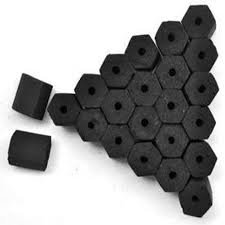
Make Coconut Charcoal for Profitable and Sustainable Business
Make coconut charcoal to create a high demand product with strong export potential. Many entrepreneurs enter this industry for steady profits. Moreover, global markets continuously seek sustainable fuel alternatives. Therefore, coconut charcoal production offers long term opportunities. In addition, raw materials remain widely available in tropical regions. As a result, manufacturers can maintain consistent supply capacity.
Why Make Coconut Charcoal for Commercial Growth
First, coconut shells provide excellent raw material quality. High carbon content improves burn duration significantly. Consequently, finished charcoal delivers stable and efficient heat.
Furthermore, production costs remain competitive compared to hardwood charcoal. Therefore, profit margins can increase steadily. In addition, coconut waste supports environmentally responsible practices. As a result, businesses strengthen their sustainability branding.
Many buyers also research whether is coconut charcoal better than traditional charcoal. Market comparisons often highlight longer burn time and cleaner combustion. Consequently, demand for coconut based briquettes continues rising.
Steps to Make Coconut Charcoal Efficiently
Prepare Raw Materials to Make Coconut Charcoal
Producers begin by collecting mature coconut shells. Dry shells burn more efficiently during carbonization. Therefore, proper drying becomes an essential first step.
Next, remove dirt and impurities carefully. Clean materials improve final charcoal quality. As a result, briquettes achieve higher density and durability.
Carbonization Process to Make Coconut Charcoal
During carbonization, producers burn shells in limited oxygen conditions. This process increases fixed carbon concentration. Consequently, charcoal achieves better calorific value.
Temperature control plays a critical role. Excess oxygen reduces carbon quality. Therefore, operators must monitor airflow consistently.
After carbonization, allow the charcoal to cool naturally. Sudden cooling can cause cracking. As a result, careful handling preserves structural strength.
Grinding and Briquetting to Make Coconut Charcoal
Factories grind cooled charcoal into fine powder. Fine particles ensure smoother compression results. Then, manufacturers mix the powder with natural binders.
Next, hydraulic machines compress the mixture into briquettes. Strong pressure increases density and durability. Consequently, finished products burn longer and cleaner.
Finally, dry the briquettes thoroughly before packaging. Proper drying prevents moisture related damage. As a result, exporters deliver consistent quality to global markets.
Equipment Needed to Make Coconut Charcoal
Producers use carbonization kilns for controlled burning. Efficient kilns increase fixed carbon yield and productivity.
Grinding machines create uniform charcoal powder for briquetting. Consequently, compression becomes more consistent and reliable.
Hydraulic presses form dense and durable briquettes. Strong compression reduces cracking during transportation.
Finally, drying ovens or sun drying stabilize moisture levels. Proper drying extends shelf life and maintains quality.
Business Potential and Market Strategy
Coconut charcoal attracts buyers from restaurants and hookah lounges. Moreover, international distributors demand reliable long term suppliers. Therefore, production planning must align with export standards.
Entrepreneurs can also build digital presence to reach global buyers. For business insights and marketing strategies, visit tipsbisnisonline.com. The platform shares valuable guidance for growing online ventures. As a result, producers expand their market visibility effectively.
Additionally, branding and quality consistency strengthen customer trust. Reliable specifications encourage repeat orders. Consequently, businesses secure stable revenue streams.
Conclusion
Make coconut charcoal to combine sustainability with strong commercial potential. Proper raw material selection and controlled carbonization ensure high quality output. Moreover, efficient briquetting improves burn performance and durability. Therefore, entrepreneurs can capture growing global demand. By applying smart production strategies and online marketing support, businesses achieve long term profitability.