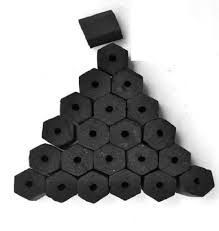
What to Do With Coconut Shell Smart and Profitable Solutions
What to do with coconut shell becomes an important question for sustainable energy businesses. Many industries now transform coconut waste into valuable fuel products. Therefore, coconut shells no longer become useless agricultural waste.
Moreover, proper processing increases their economic value significantly. As a result, businesses generate profit while supporting environmental sustainability.
Smart Solutions for Sustainable Energy from Coconut Waste
Many people look for ways to utilize the shells after removing the fruit. One effective solution is converting them into charcoal briquettes. This method produces high density fuel with long burning duration.
First, producers collect and dry the shells properly. Proper drying reduces moisture and improves carbonization efficiency. Then, manufacturers carbonize the shells under controlled temperature.
During carbonization, volatile compounds disappear gradually. Consequently, strong carbon structure forms inside the shell. This process produces durable charcoal suitable for various applications.
BBQ Applications
If you wonder what to do with coconut shell for cooking, BBQ fuel is the best option. Coconut based charcoal delivers steady heat with very little smoke. As a result, food keeps its natural flavor and rich aroma.
Additionally, the dense structure ensures longer burn time. Consequently, users require fewer briquettes during cooking sessions.
For premium grilling performance, explore coconut shell for bbq solutions available in the market. These products offer consistent heat distribution and easy ignition.
What to Do With Coconut Shell Beyond Fuel
Besides fuel production, coconut shells support various creative industries.For example, artisans turn the shells into decorative crafts and household products. However, converting them into energy products offers greater profitability.
Moreover, large scale charcoal manufacturing creates export opportunities. Therefore, entrepreneurs gain access to international BBQ markets.
Because global demand for eco friendly fuel continues to grow, coconut based charcoal becomes highly competitive. As a result, producers achieve long term business sustainability.
Environmental Benefits
Choosing to convert shells into charcoal reduces agricultural waste accumulation. Consequently, landfill pressure decreases significantly.
Additionally, coconut shells are renewable resources. Therefore, this solution reduces dependence on hardwood forests.
Furthermore, efficient carbonization lowers environmental impact compared to traditional wood charcoal production. As a result, eco conscious buyers prefer coconut based briquettes.
Why Visit Ohumedia for Coconut Solutions
If you are still considering what to do with coconut shell, visit humedia.com. The platform provides detailed information about coconut based products and applications.
Moreover, Ohumedia supports sustainable charcoal production initiatives. Therefore, customers receive reliable and high quality fuel solutions.
Additionally, the website explains product specifications clearly. As a result, buyers can choose suitable briquettes confidently.
Economic Opportunities from Coconut Shell Processing
Processing coconut shells into fuel products creates strong business potential. Many global markets demand sustainable and efficient energy sources. Therefore, producers can expand into export and commercial sectors.
Moreover, value added processing increases product competitiveness significantly. As a result, entrepreneurs generate higher profit margins while supporting environmental sustainability.
Conclusion
In conclusion, understanding what to do with coconut shell opens valuable business opportunities. Converting shells into charcoal creates durable, efficient, and eco friendly fuel.
Because of its strong heat performance and sustainability benefits, coconut based charcoal remains ideal for BBQ and commercial cooking. Therefore, investing in proper processing ensures profitability and long term environmental responsibility.